 listicle
7 Custom Cabinetry and Millwork Services to Know
Last Updated: October 30, 2026
Quick Summary
Custom cabinetry and millwork services cover the design, fabrication, and installation of built-to-fit woodwork for a home, with custom cabinetry built to exact dimensions for a specific opening and millwork covering trim, paneling, and built-ins. Craftsman Remodeling and Solution treats that scope as a single job, though staffing details should be confirmed during a consultation.
- Custom cabinets are built to the opening, which can reduce the need for filler strips.
- Cabinet pricing generally tracks the number of boxes and linear feet of face frame, not room square footage.
- Ask for a line-item breakdown separating boxes, doors, hardware, finish, delivery, and installation before signing.
- Confirm in writing who is responsible for field measurements and verifying delivered cabinets match the openings.
- A low bid that excludes installation, finish, or delivery is not a low bid.
Table of Contents
- What Custom Cabinetry and Millwork Services Actually Include
- Custom Cabinets vs. Stock Cabinets: What You Give Up With Ready-Made
- Custom Cabinet Cost: What Drives the Number Up or Down
- Custom Built-In Cabinets for Kitchens, Bathrooms, and Storage
- Custom Cabinet Installation: What a Careful Crew Does Differently
- How to Evaluate a Millwork Provider Before You Sign
- Schedule a Cabinetry Consultation With Craftsman Remodeling and Solution
- Frequently Asked Questions
What Custom Cabinetry and Millwork Services Actually Include
Custom cabinetry and millwork services cover the design, fabrication, and installation of built-to-fit woodwork for a home. Craftsman Remodeling and Solution treats that scope as a single job, though the details of how each project is staffed should be confirmed during a consultation. Most homeowners assume cabinets and millwork are two separate trades. They aren't.
Custom cabinetry is casework built to exact dimensions for a specific opening: base cabinets, wall cabinets, vanities, and drawer stacks. Millwork is the broader category of finished wood features, including trim, paneling, built-ins, and furniture-grade pieces.
Cabinetry vs. Millwork: Where the Line Sits
The line is functional, not technical. Cabinetry stores things. Millwork finishes and connects spaces. A bathroom vanity is cabinetry. The arched casing around the bathroom door is millwork. Many projects need both, which is why splitting them across vendors creates seams.
For a deeper look at how far the millwork side can go, our guide to custom millwork for mountain homes walks through paneling, ceiling beams, and built-ins.
Custom Cabinets vs. Stock Cabinets: What You Give Up With Ready-Made
Stock cabinets come in fixed widths. Custom cabinets are built to the opening, which can reduce the need for filler strips and lets hardware be placed where you want it.
Fit, Finish, and the Filler Problem
Walk into a stock-cabinet kitchen and look between the last cabinet and the wall. That strip of matching wood is a filler. It exists because the cabinet didn't fit. In a custom kitchen, the cabinet meets the wall.
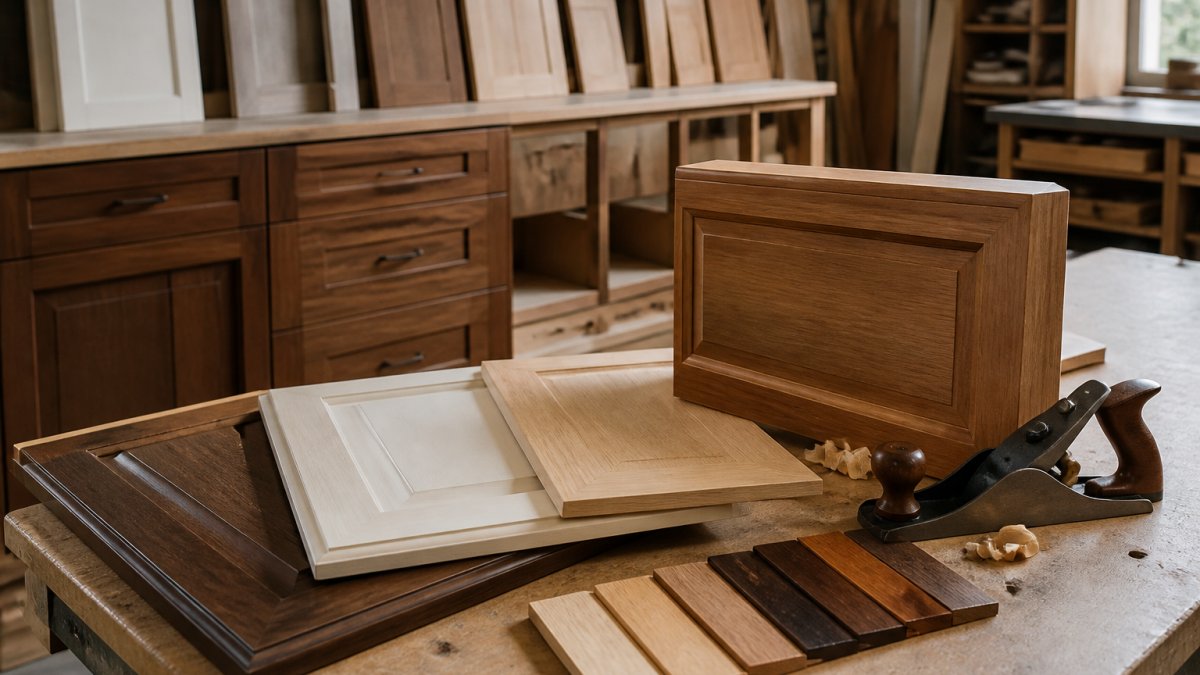
Finish is the second gap. Stock lines offer a set palette. Custom work lets you match a stain to an existing floor or a paint to a specific color. If you are weighing how alternatives and comparisons play out in practice, our breakdown of cabinetry alternatives covers what different construction approaches actually deliver.
Custom Cabinet Cost: What Drives the Number Up or Down
Pricing for custom cabinetry depends on size, material, door style, hardware, and how complex the installation is. Quotes for this type of work are generally prepared after measuring the space, and current pricing is best confirmed through a quote from Craftsman Remodeling and Solution. The table below shows the factors that typically move the cost of custom cabinetry.
| Cost Driver | What Pushes It Up | What Keeps It Down |
|---|---|---|
| Size and layout | Odd angles, islands, tall runs | Standard rectangular runs |
| Material | Hardwood, rift-sawn oak, walnut | Painted poplar, plywood boxes |
| Door style | Inset doors, custom profiles | Full-overlay slab doors |
| Hardware | Soft-close, integrated pulls | Basic hinges and knobs |
| Installation | Structural changes, plumbing moves | Direct swap into existing openings |
| Finish | Hand-rubbed, multi-step | Single-color spray |
Size and layout. Cabinet pricing generally tracks the number of boxes and the linear feet of face frame, not the square footage of the room. A 10-foot run of standard base cabinets is a straightforward build. The same 10 feet broken by a sink, a corner, and a refrigerator panel becomes three separate cabinet types with different joinery, which is why an island or an L-shape costs more per linear foot than a straight wall.
Material. The box material and the door material are priced separately. Sheet goods such as plywood and medium-density fiberboard are priced by the sheet; solid lumber is priced by the board foot, and wide, clear boards cost disproportionately more than narrow ones.
Door style. A full-overlay slab door is the least expensive door to build because it has no frame and no profile.
Hardware.
Installation. This is the biggest surprise for most homeowners. Moving a sink, adding an outlet behind a cabinet, or leveling a floor adds labor that no cabinet quote captures. A direct swap into existing openings is the cheapest install. Structural changes, plumbing relocations, and electrical work are separate trades and should appear as separate lines on the quote.
Finish.
How to Read a Custom Cabinet Quote
Ask for a line-item breakdown before signing. A quote that gives one lump sum hides where the money goes and makes change orders hard to price fairly. A useful quote separates cabinet boxes, doors and drawer fronts, hardware, finish, delivery, and installation, and it states what is excluded, such as plumbing, electrical, and countertop templating.
A common pattern is that homeowners compare cabinet quotes on the box price and then discover the installation and finish lines differ by more than the boxes do. Compare the full scope, not the headline number. The EPA's indoor air quality guidance is also worth a read if you are specifying finishes and want low-emission options, since finish selection affects both cost and indoor air quality.
Custom Built-In Cabinets for Kitchens, Bathrooms, and Storage
A kitchen pantry that wraps a corner, a bathroom vanity cut around a plumbing wall, a mudroom bench with cubbies sized to actual boots: none of these exist in a stock catalog.

If you are planning a full bathroom rebuild, our guide to high-end custom bathroom design covers layout and fixture planning in more detail.
Custom Cabinet Installation: What a Careful Crew Does Differently
What separates a careful crew from a fast one:
Ask any installer how they handle wall variation before the order is placed.
How to Evaluate a Millwork Provider Before You Sign
Ask three questions before you sign: Who measures the space? Who builds the cabinets? Who installs them? The checklist below goes further than most, because each item includes what a strong answer sounds like and how to verify it.
The Questions and What Good Answers Look Like
Can they show completed projects in similar homes? Ask for photos of finished rooms and references you can contact, including a project with a similar layout, material, and finish to yours.
Do they fabricate in their own shop or subcontract? Ask for a clear answer, and if they subcontract the build, ask who the shop is and whether the same crew installs.
Is the quote line-itemed by material, labor, and installation? A strong answer is a quote that separates boxes, doors, hardware, finish, delivery, and install, and states exclusions. A single lump sum is not wrong, but it makes change orders harder to price fairly.
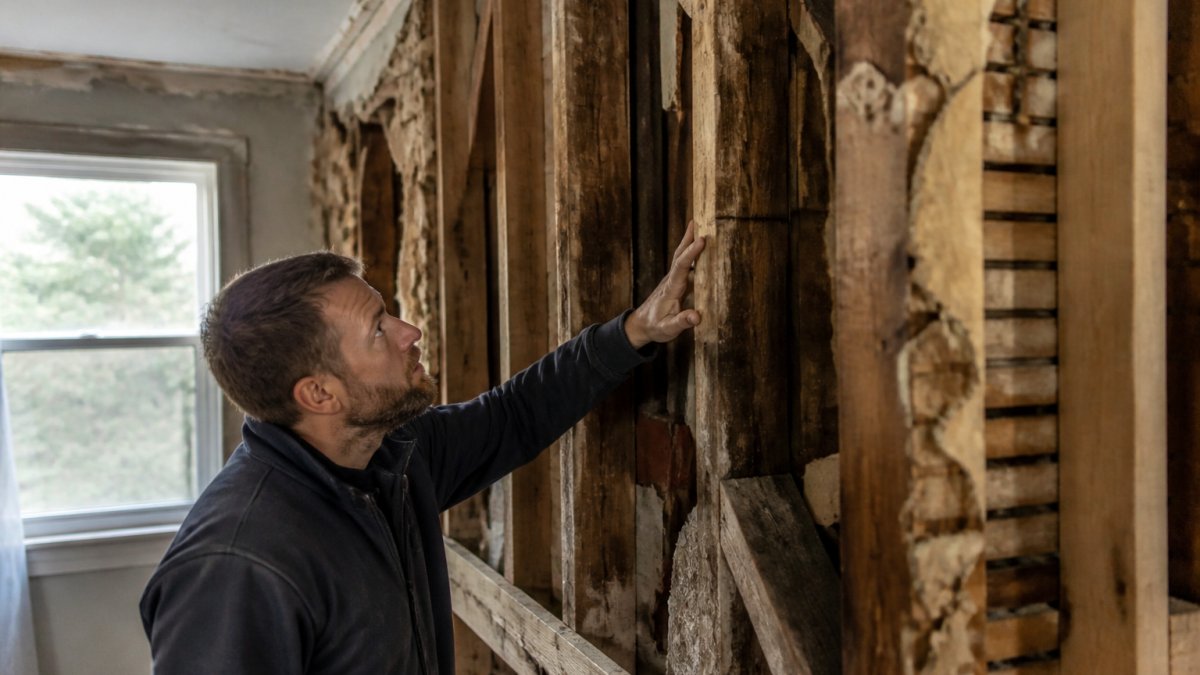
How do they handle unexpected structural or plumbing issues? A strong answer describes a process: who inspects, how change orders are priced, and how work pauses until you approve. A vague answer here is a warning sign, because old homes and mountain framing routinely turn up surprises.
What is the communication cadence during the build? A strong answer is specific: a weekly update, a named point of contact, and a response window. "We'll keep you posted" is not a cadence.
What to Verify, Not Just Ask
- License and insurance. Ask for the license number and a certificate of insurance, and confirm the policy is current.
- References. Call two references from projects completed recently, and ask what went wrong as well as what went right.
- Written scope and warranty. The contract should state what is included, what is excluded, the payment schedule, the completion timeline, and the warranty terms for both the cabinets and the installation.
- Measurement responsibility. Confirm in writing who is responsible for field measurements and for verifying that the delivered cabinets match the openings. This is the single most common source of disputes.
Clear, scheduled updates during a project can help avoid communication gaps. For a wider view of how to run a renovation from start to finish, our home renovation best practices guide covers scheduling, budgeting, and change orders.
Schedule a Cabinetry Consultation With Craftsman Remodeling and Solution
The hardest part of a cabinetry project is not choosing a door style. It is finding one team that measures, builds, and installs without handing you three separate phone numbers.
Craftsman Remodeling and Solution aims to bring careful craftsmanship, open communication, and respect for your home to each project.
Contact Craftsman Remodeling and Solution to discuss your cabinetry project. You can learn more about our team before you call.
Frequently Asked Questions
What is the difference between cabinetry and millwork?
Cabinetry covers the boxes, doors, and drawers built for storage: kitchen cabinets, bathroom vanities, closets. Millwork is the broader category of finished woodwork, including trim, baseboards, crown molding, window and door casings, stair parts, and built-in shelving. Ask a provider whether they fabricate trim and casings in-house or buy them off the shelf.
Are custom cabinets worth the investment over stock cabinets?
It depends on how long you plan to stay and how awkward your space is. Custom cabinets win when walls are out of square, ceilings slope, or you need a specific layout that stock sizes cannot fill without filler strips. They also hold up better under daily use because the boxes and joinery are built for the load. If you are fitting a standard rectangular kitchen on a tight budget and plan to move soon, stock cabinets can make sense. Compare quotes on both before deciding.
How much do custom cabinets typically cost?
Pricing depends on the linear footage, wood species, door style, finish, hardware, and how complex the layout is. A simple run of painted cabinets costs less than a full-height wall with glass doors, interior lighting, and custom organizers. Because cost drivers vary so much from project to project, ask for a line-item quote that separates fabrication from installation. For current pricing, contact Craftsman Remodeling and Solution for a quote.
How long does it take to design and install custom cabinetry?
Timelines for design, fabrication, and installation vary by project. Ask for a written schedule with milestones. Ask for a written schedule with milestones, and confirm how the provider handles delays or surprises found behind the walls.
Can custom cabinetry be designed for unusual spaces?
Yes, and that is where custom work earns its keep. Sloped ceilings, angled walls, radiators, structural posts, and odd alcoves are exactly the cases where stock cabinets fail and filler strips look like a patch. Bring photos and rough measurements to your first consultation so the designer can flag the tricky spots early.
Custom cabinetry rewards homeowners who ask hard questions up front. If you are ready to stop comparing stock widths and start planning a room that actually fits, we would be glad to walk your space and give you a straight answer on scope, timeline, and cost.