 blog
Bontecou Construction Alternatives for Cabinetry
Table of Contents
- Why Homeowners Seek Cabinetry Alternatives
- Custom Cabinets vs. Semi-Custom Cabinets: What You Need to Know
- Cabinet Materials and Finishes for Kitchen Remodeling
- Critical Cabinet Contractor Questions Before You Hire
- Understanding Cabinet Installation Timeline and Project Planning
- How to Evaluate Custom Cabinetry Alternatives for Your Kitchen Renovation
- Making Your Final Decision: Local Expertise and Long-Term Partnerships
- Frequently Asked Questions
Last Updated: October 21, 2026
Why Homeowners Seek Cabinetry Alternatives
When you're planning a kitchen renovation or custom home build, the cabinetry decision often determines the entire project's success. Homeowners often struggle with choosing between limited options, unclear pricing, and contractors who don't communicate throughout the process. The reality is that Bontecou Construction alternative for cabinetry options exist across a wide spectrum, and understanding those choices before you commit can save thousands of dollars and months of frustration.
Homeowners seek cabinetry alternatives for several practical reasons. Some need custom cabinet design that matches unusual kitchen layouts or architectural details. Others want transparent pricing and a clear timeline before work begins. Many are looking for a contractor with deep local roots who understands how mountain climates affect wood and finishes. And nearly all of them want honest communication, someone who explains what's happening, why it matters, and what surprises might emerge when walls come down.
The cabinet contractor questions you ask before hiring directly shape your project's outcome. This guide walks through what separates a smooth renovation from one that derails, and how to evaluate custom cabinetry alternatives for your specific needs.
Custom Cabinets vs. Semi-Custom Cabinets: What You Need to Know
Custom cabinets are built specifically for your space, while semi-custom cabinets are pre-designed units modified to fit your kitchen. The difference affects timeline, cost, design flexibility, and how well the finished kitchen actually functions.
Custom cabinetry starts from scratch. A cabinet contractor designs each piece around your kitchen's exact dimensions, architectural features, and how you actually cook. If your kitchen has a sloped ceiling, an unusual wall angle, or a specific storage vision, custom work accommodates it. The trade-off is time, custom cabinets can take longer depending on wood selection and finishing complexity.
Semi-custom cabinets come from a manufacturer's standard catalog with modifications. You choose from pre-built door styles, finishes, and hardware, then adjust dimensions within set parameters. Installation happens faster and costs less upfront. But you're working within someone else's design constraints. If your kitchen layout doesn't match standard cabinet widths, or if you want a specific storage solution, semi-custom options force compromises.
Here's what matters most: custom cabinetry solves problems semi-custom can't. Unusual layouts, specific functional needs, and design visions that don't fit standard options all point toward custom work. Semi-custom works well when your kitchen is straightforward, your timeline is tight, and budget constraints are real.
| Cabinet Type | Design Flexibility | Timeline | Cost Range | Best For |
|---|---|---|---|---|
| Custom | Complete | Unique layouts, specific vision | ||
| Semi-Custom | Limited | Standard kitchens, faster projects | ||
| Stock | Minimal | Budget renovations, quick updates |
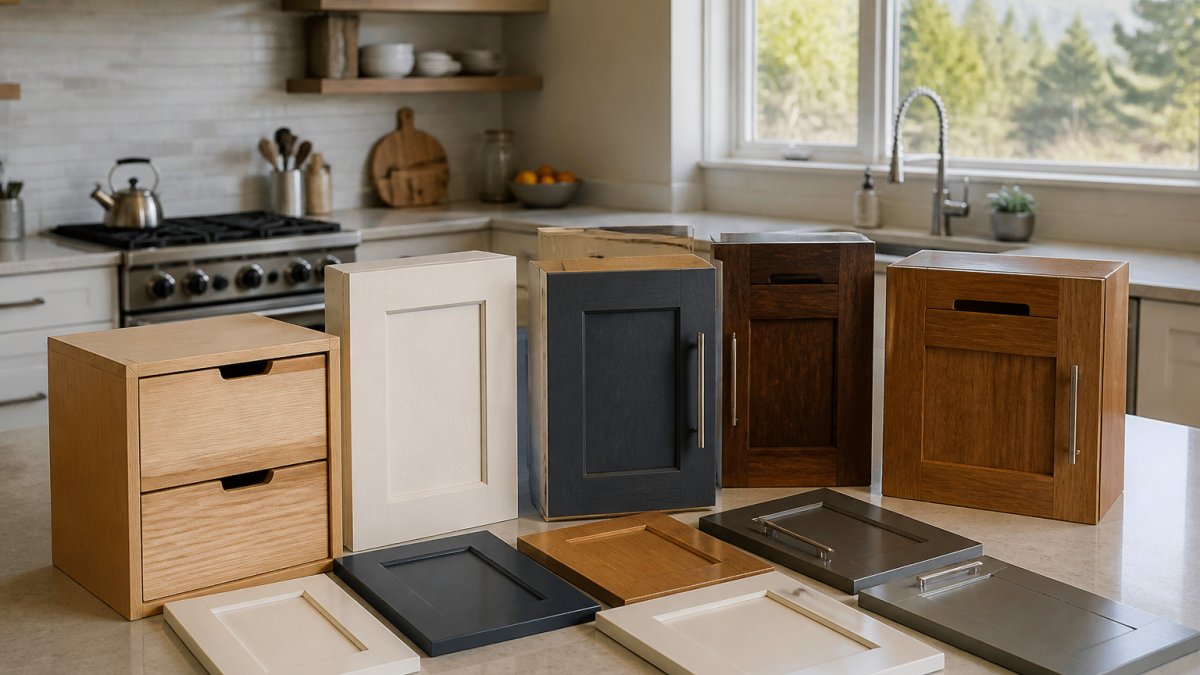
Cabinet Materials and Finishes for Kitchen Remodeling
The wood species and finish you choose affect durability, appearance, and how your cabinets respond to temperature and humidity changes. In mountain climates, this matters more than most people realize.
Solid wood cabinets, built from hardwoods like maple, cherry, or oak, handle moisture fluctuations better than veneered alternatives. They can be refinished if finishes wear over decades. The downside is cost and maintenance. Solid wood expands and contracts with seasonal changes, which is why a cabinet contractor who understands local climate conditions should guide your material selection.
Plywood and veneer cabinets offer stability at lower cost. A plywood core with veneer facing resists warping better than solid wood in extreme humidity swings. They're also more affordable and faster to produce. The trade-off is that veneered surfaces can't be refinished the same way, once the veneer is damaged, repair options are limited.
Painted finishes hide wood grain and work with any design aesthetic. They're also more forgiving than stains when it comes to dust and fingerprints. Stained finishes showcase wood character but require more careful maintenance, especially in kitchens where steam and heat are constant.
Cabinet quality separates builder-grade work from custom cabinetry. Builder-grade cabinets use thinner materials, simpler joinery, and faster assembly. Custom cabinetry uses thicker materials, reinforced corners, and finishing techniques. When you're investing in a kitchen renovation, the cabinet construction quality determines the longevity of your investment.
Critical Cabinet Contractor Questions Before You Hire
The questions you ask before hiring reveal whether a contractor understands your project, communicates clearly, and handles surprises professionally.
Start with their experience on projects like yours. Ask specifically about kitchen remodeling work they've completed, not bathroom updates or general construction. Request photos of finished projects and permission to contact past clients. A contractor with deep roots in the area will have local references who can speak to how they handle the specific challenges of mountain homes.
Ask how they handle budget and timeline. Specifically: "What happens if we start tearing into walls and find structural problems or old plumbing issues? How do you communicate that to me, and how does it affect the budget and timeline?" This question reveals their problem-solving approach. Good contractors have a process for discovering issues, explaining them clearly, and presenting options with cost implications.
Clarify communication expectations. Ask how often you'll hear updates, how you'll receive them (email, phone, in-person), and how quickly they respond when you have questions. A common complaint from homeowners is contractors who go dark for weeks, leaving clients wondering what's happening.
Ask about their cabinet supplier relationships. Do they work with multiple cabinet makers, or do they have preferred vendors? Can they explain why they recommend specific suppliers? A contractor who partners with quality cabinet companies and understands their timelines and capabilities gives you realistic expectations.
Finally, ask for a detailed written estimate that breaks down labor, materials, timeline, and what's included versus what's extra. Vague estimates lead to surprise costs. Specific estimates, with line items for cabinet design, installation, finishing, hardware, and any custom work, protect both you and the contractor.
Understanding Cabinet Installation Timeline and Project Planning
Cabinet installation timeline depends on several factors: custom cabinetry design time, material lead times, kitchen prep work, and the actual installation and finishing process.
Design typically takes a few weeks. Your cabinet contractor meets with you, takes measurements, discusses your vision, and creates designs for your approval. This phase requires your input, decisions about door styles, finishes, hardware, and layout. Rushing this phase often means rework later.
Lead time for materials varies. Custom cabinetry can take several weeks depending on wood selection and finishing complexity. Some woods are harder to source, and certain finishes require multiple coats and curing time between applications.
Kitchen prep work happens before cabinets arrive. Walls may need to be repaired, electrical outlets relocated, plumbing adjusted, and flooring installed. This phase typically takes a few weeks depending on what your contractor discovers once walls are opened. This is where the "what if we find problems" question becomes real. A well-planned project has contingency time built in.
Installation itself usually takes several days for a standard kitchen, longer for complex layouts or extensive custom work. After installation, finishing work, caulking, touch-ups, hardware installation, adds another few days.
The entire timeline from design to completion typically spans several weeks for custom cabinetry projects. Understanding this timeline helps you plan your life around the renovation. If your contractor can't explain the timeline clearly, that's a sign they haven't thought through the project scope.
How to Evaluate Custom Cabinetry Alternatives for Your Kitchen Renovation
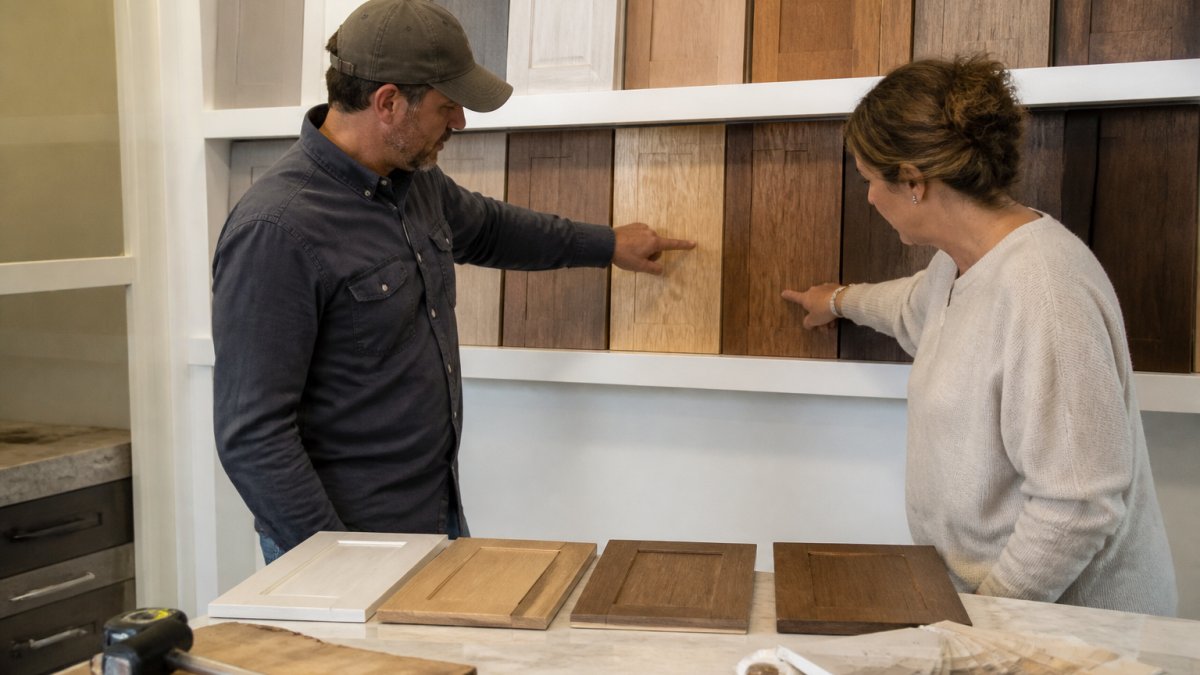
Start by clarifying what "custom" means to each contractor you interview. Some use the term loosely to mean "modified semi-custom." Others mean fully custom design from scratch.
Evaluate cabinet quality by examining construction details. Look at how corners are joined, are they reinforced with blocks, or just glued? Check drawer slides, quality slides glide smoothly and close softly. Examine door hinges and hardware. Quality hardware is substantial and adjustable.
Compare design process and communication. A contractor who listens carefully, asks detailed questions about how you use your kitchen, and presents design options shows they're thinking about functionality, not just aesthetics. Request to see their design process, do they provide 2D drawings, 3D renderings, or both?
Ask about warranty and long-term support. What happens if a door warps, a finish fails, or hardware breaks? A contractor confident in their work stands behind it. Vague warranty language or refusal to discuss it suggests they're not confident in quality.
Check references thoroughly.
Consider local expertise. A contractor with deep roots in the area understands how mountain homes respond to seasonal changes, which materials hold up best in local climate conditions, and how to source quality materials reliably. Someone new to the area may not have that knowledge.
Making Your Final Decision: Local Expertise and Long-Term Partnerships
Choosing a cabinet contractor isn't just about picking the lowest price or the fastest timeline. It's about finding someone who understands your project, communicates honestly, and will be available if issues arise after the work is done.
At Craftsman Remodeling and Solution, we've built our reputation on being present throughout the project and beyond. We don't disappear after installation, we're here if you need adjustments, repairs, or advice years down the road. That kind of partnership matters because a kitchen renovation isn't a transaction; it's an investment in your home's function and value.
When you're evaluating cabinetry alternatives, prioritize contractors who ask good questions, provide detailed written estimates, explain their timeline clearly, and show genuine interest in how your kitchen will actually work for your life. The contractor who takes time to understand your vision and your concerns is the one most likely to deliver a kitchen you'll love for decades.
Local expertise and honest communication separate contractors who treat your project as just another job from those who build lasting partnerships. Ask your candidates directly: "How do you stay connected with clients after a project is complete?" Their answer reveals whether they see your relationship as ending at final payment or beginning there.
Choosing the right custom cabinetry partner shapes your entire kitchen renovation experience. When you're ready to discuss your project with a contractor who prioritizes open communication, detailed planning, and honest workmanship, Craftsman Remodeling and Solution is here to listen. We'll walk through your vision, explain our process, and answer every question you have before work begins.
Frequently Asked Questions
How do custom cabinets compare with semi-custom cabinets?
Custom cabinets are built to exact specifications for your kitchen layout, offering unlimited design options, premium materials, and tailored finishes. Semi-custom cabinets provide more flexibility than stock options but use standard sizes and predetermined configurations. Custom cabinets take longer to produce and cost more upfront, but deliver unique cabinetry that maximizes your kitchen's potential and adds lasting value to your home renovation project.
What questions should I ask a cabinet maker before hiring them?
Ask about their experience with custom home projects similar to yours, how they handle unexpected structural issues, their communication process during installation, warranty coverage, and references from completed kitchen remodels. Request detailed timelines, clarify whether they manage the entire cabinet design and installation or coordinate with other vendors, and confirm their understanding of local building codes. Understanding their approach to project management protects you from timeline delays and budget surprises.
How long does it take to make and install custom cabinets?
Custom cabinet construction typically takes several weeks from design approval to delivery, depending on complexity and materials. Installation usually requires a few weeks depending on your kitchen's size and layout. Total cabinet installation timeline for a full kitchen renovation, including design consultation, fabrication, and on-site installation, generally spans a few months. Delays can occur if structural issues are discovered during demolition or if material selections change, so discuss contingency time with your contractor.
Are custom cabinets worth the cost?
Custom cabinetry represents a significant investment, but delivers lasting benefits: tailored functionality for your specific storage needs, superior craftsmanship and materials, and enhanced home value. Unlike builder-grade alternatives, custom cabinets maximize awkward spaces, accommodate unusual layouts, and use premium finishes that withstand years of use. For homeowners planning to stay in their homes long-term or seeking high-end kitchen renovation results, the durability and design precision justify the cost.