 blog
High-End Custom Bathroom Design: Planning Your Luxury Retreat
Last Updated: October 23, 2026
Quick Summary
Custom bathroom design combines thoughtful design, premium materials, and functional elegance into a personal sanctuary that reflects your lifestyle. High-end custom bathroom design integrates personal vision with meticulous craftsmanship, prioritizing both aesthetics and functionality through careful layout planning, quality material selection, and sophisticated lighting design.
- The custom design process typically spans 4-8 weeks before construction begins, with construction usually taking 8-12 weeks for a comprehensive remodel.
- Materials represent 40-50% of project expense, while labor comprises another 30-40%, with contingency reserves accounting for 10-15% of total budget.
- Luxury bathroom design rests on three pillars: layout and spatial planning, material selection, and lighting design that combines ambient, task, and accent lighting.
- Proper ventilation and moisture management is essential to protect your investment, as high-end finishes deteriorate quickly without adequate humidity control.
- Accessibility features like curbless showers and integrated grab bars enhance functionality for all ages and abilities without diminishing luxury.
Table of Contents
- What Makes a Custom Bathroom Truly Luxurious
- Luxury Bathroom Design Ideas That Transform Your Space
- High-End Bathroom Materials That Define Premium Quality
- Custom Bathroom Vanity Ideas and Storage Solutions
- Essential Elements: Freestanding Tubs, Walk-In Showers, and Lighting Design
- Bathroom Remodel Planning Checklist: From Vision to Reality
- Accessibility, Durability, and Long-Term Performance
- Frequently Asked Questions
What Makes a Custom Bathroom Truly Luxurious
A truly luxurious custom bathroom combines thoughtful design, premium materials, and functional elegance into a personal sanctuary. Luxury isn't about excess, it's about intention. Every element, from the fixtures to the layout, serves a purpose while elevating your daily experience.
What separates a high-end custom bathroom design from a standard remodel is the integration of personal vision with meticulous craftsmanship. Luxury bathrooms prioritize both aesthetics and functionality.
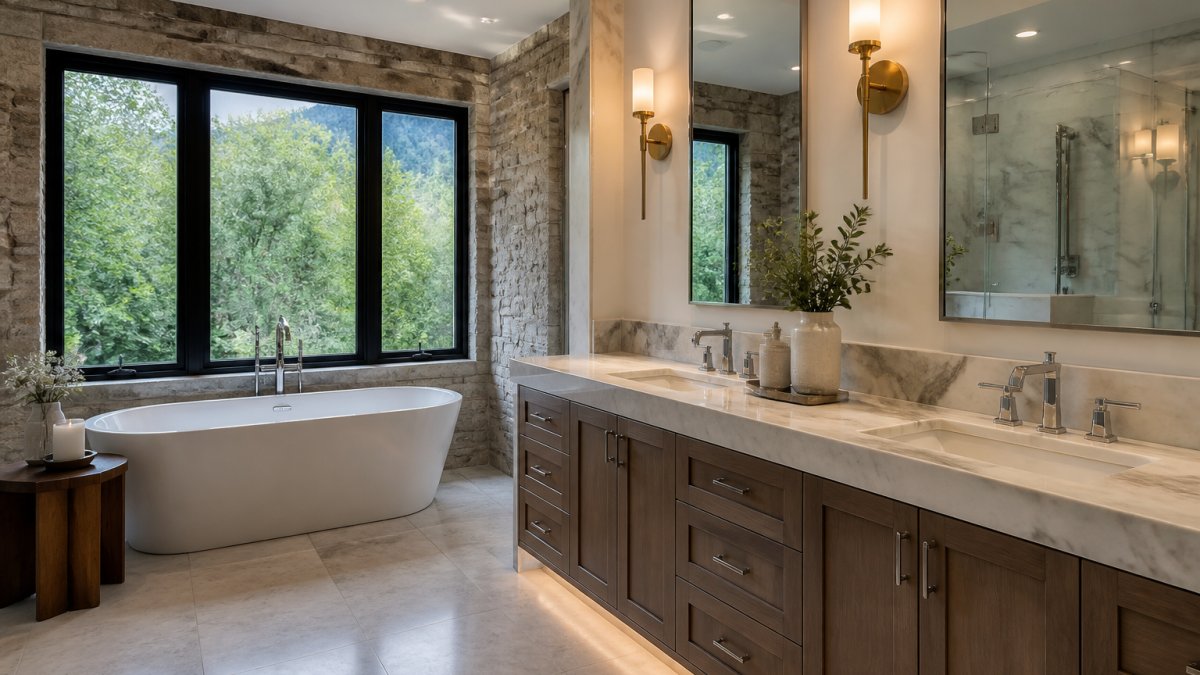
The foundation of luxury bathroom design rests on three pillars: layout and spatial planning, material selection, and lighting design. A well-planned layout maximizes functionality without feeling cramped. Premium materials like natural marble, granite, and high-quality tile create visual interest and durability. Layered lighting, combining ambient, task, and accent lighting, transforms the space into a spa-like retreat.
Luxury Bathroom Design Ideas That Transform Your Space
Luxury bathroom design ideas range from spa-inspired features to modern minimalist aesthetics. The key is selecting elements that align with your personal style while maintaining cohesion throughout the space.
Master Bathroom and Primary Suite Layouts
A master bathroom layout should feel like a retreat, not a utilitarian space. Consider separating the toilet area from the main bathroom zone for privacy and spatial flow.
The ideal master bathroom layout incorporates zones: a grooming area with double vanities, a bathing area with a soaking tub or spa shower, and a toilet enclosure. This separation creates both visual interest and functional privacy.
Accessibility considerations matter even in high-end designs. Curbless walk-in showers, grab bars integrated into the design, and appropriate counter heights make the space usable for all ages and abilities.
Spa-Like Retreats and Wellness Features
A spa-like retreat bathroom incorporates elements that promote relaxation and wellbeing. This includes water features like rainfall showerheads, heated towel racks, and steam shower options.
Natural materials enhance the spa atmosphere. Stone, wood accents, and plants create a connection to nature that calms the mind. Soft, warm lighting, particularly around the bathing area, encourages relaxation. The goal is a space that feels separate from daily stress.
Water temperature control is essential for spa-like comfort. Mixing valves that maintain consistent water temperature, heated towel racks, and radiant floor heating transform the bathroom into a true wellness sanctuary.
High-End Bathroom Materials That Define Premium Quality
Material selection determines both the aesthetic and longevity of your custom bathroom design. Premium materials invest in the space's future while creating immediate visual impact.
Natural Stone, Marble, and Tile Selection
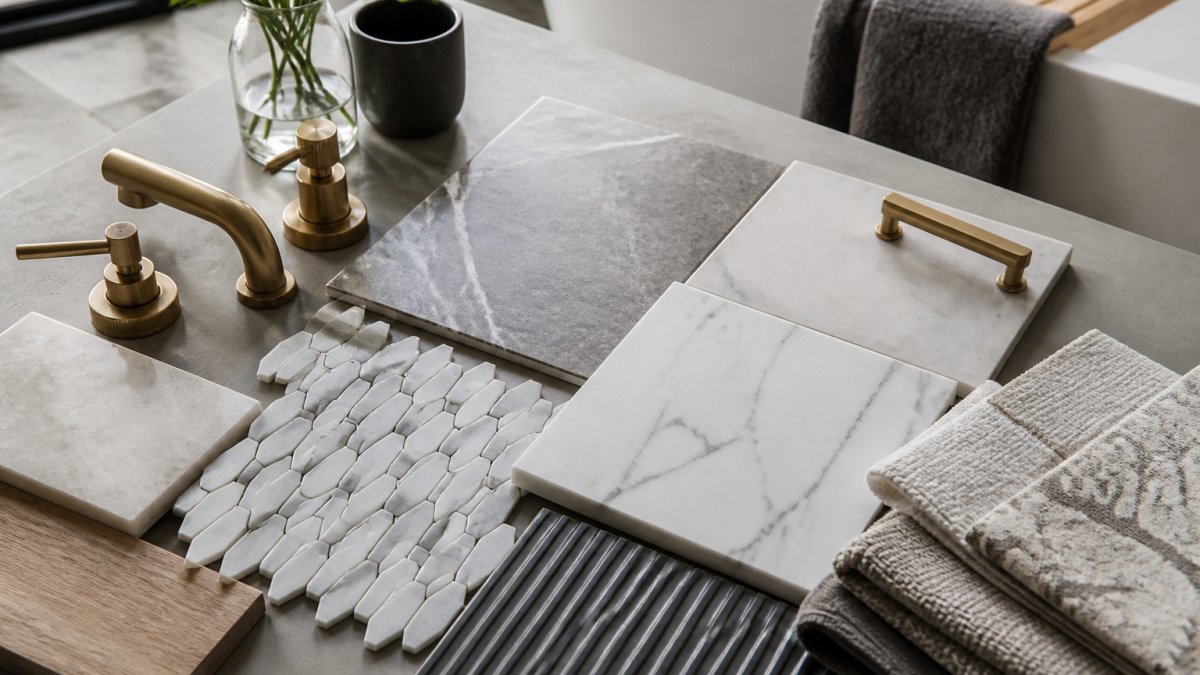
Natural stone, marble, granite, limestone, and slate, defines luxury bathroom aesthetics. Each material brings unique characteristics. Marble offers elegance and timelessness but requires sealing and regular maintenance. Granite provides durability and varied color options. Limestone and slate create textured, natural appearances.
Tile selection extends beyond the shower surround. Large-format porcelain tiles create clean lines and minimal grout joints, enhancing modern aesthetics. Natural stone tiles add warmth and character. The pattern you choose, whether classic subway, geometric, or custom layouts, significantly impacts the overall design.
Grout color and width influence the final appearance. Light grout creates seamless visuals with light tiles, while contrasting grout emphasizes tile patterns. Epoxy grout resists staining better than traditional grout but costs more. These details matter in high-end bathroom design.
Designer Finishes and Luxury Hardware
Hardware finishes set the tone for your entire bathroom aesthetic. Polished chrome, brushed nickel, matte black, and brass finishes each convey different design languages. Consistency across faucets, towel bars, shower fixtures, and accessories creates a cohesive, intentional appearance.
High-end faucets feature ceramic disc valves for smooth operation and longevity. Rainfall showerheads with body jets, thermostatic mixing valves, and hand shower combinations offer both luxury and functionality.
Lighting fixtures contribute significantly to the luxury aesthetic. Sconces flanking the mirror, recessed lighting for general illumination, and accent lighting around the tub create layers of visual interest.
Custom Bathroom Vanity Ideas and Storage Solutions
A custom vanity serves as both functional workspace and design focal point. Built-in storage solutions keep the bathroom organized while maintaining clean sightlines.
Custom vanities allow you to specify dimensions, materials, and configurations that match your space perfectly. Floating vanities create visual lightness and simplify floor cleaning.
Materials for custom vanities range from solid wood to engineered options. Natural wood brings warmth but requires moisture protection. Engineered materials offer durability and consistency.
Storage solutions extend beyond the vanity. Medicine cabinets with mirrors, built-in niches in shower walls, and floor-to-ceiling cabinetry maximize functionality. The key is integrating storage into the design rather than adding it as an afterthought.
Essential Elements: Freestanding Tubs, Walk-In Showers, and Lighting Design
Three elements define modern luxury bathroom design: soaking tubs, walk-in showers, and sophisticated lighting.
Soaking Tubs and Rainfall Showers
A freestanding soaking tub serves as both functional fixture and design statement. Positioned near a window or as a room focal point, these tubs become gathering places for relaxation. Materials range from acrylic to stone or copper.
Rainfall showerheads deliver water like gentle rain, creating a spa experience. Paired with body jets and a hand shower, they provide multiple washing options.
Shower enclosures frame the bathing space. Frameless glass enclosures create transparency and visual openness. Partial enclosures or decorative framing add architectural interest. The choice depends on your design aesthetic and privacy preferences.
Layered Lighting for Ambiance and Function
Layered lighting combines three types: ambient, task, and accent. Ambient lighting provides general illumination through recessed fixtures or a central fixture. Task lighting, sconces flanking the mirror, illuminates the grooming area. Accent lighting highlights architectural features or creates ambiance around the tub.
Dimmable systems allow you to adjust lighting intensity for different times of day. Warm color temperatures (2700-3000K) promote relaxation, while cooler temperatures support grooming tasks. Smart lighting controls enable preset scenes for various activities.
Natural light enhances bathroom design when privacy allows. Skylights, clerestory windows, or strategically placed windows bring daylight into the space. Layered window treatments maintain privacy while allowing light control.
Bathroom Remodel Planning Checklist: From Vision to Reality
Planning a high-end custom bathroom design requires systematic thinking and clear communication. A structured approach prevents costly mistakes and ensures your vision becomes reality.
Custom Design Process and Project Timeline
The custom design process typically spans 4-8 weeks before construction begins. Initial consultation establishes your vision, budget parameters, and timeline. Designers develop preliminary layouts and material options. Refinement rounds incorporate your feedback until the design aligns with your expectations.
Once design is finalized, permitting begins. Local building codes govern bathroom requirements, ventilation, electrical safety, plumbing standards. Permit timelines vary but typically require 2-4 weeks.
Communication during planning prevents misunderstandings later. Regular check-ins, written specifications, and detailed drawings ensure everyone shares the same vision. We prioritize transparency throughout this process, keeping homeowners informed at each stage.
Budget Planning and Cost Drivers
Budget planning begins with understanding what drives costs in custom bathroom design. Materials represent 40-50% of project expense. Labor for skilled trades, plumbing, electrical, tile installation, comprises another 30-40%. Contingency reserves should account for 10-15% of total budget for unforeseen issues.
High-end materials cost more but offer superior durability and aesthetics. Natural stone, custom cabinetry, and designer fixtures represent significant investments. However, mid-range materials often deliver excellent value when selected thoughtfully.
Structural changes significantly impact budget. Relocating plumbing, moving walls, or addressing hidden water damage increases costs substantially. A pre-remodel inspection identifies potential issues before construction begins, allowing accurate budgeting.
Technical Planning and Building Constraints
Technical planning addresses the systems that make your bathroom function. Plumbing layout determines fixture locations and water line requirements. Electrical planning ensures adequate circuits for heated floors, exhaust fans, and lighting. Ventilation sizing prevents moisture problems.
Building constraints, existing wall locations, plumbing access, structural limitations, influence design possibilities. An experienced designer works within these constraints while maximizing functionality and aesthetics. Sometimes creative solutions overcome limitations; sometimes constraints require design modifications.
Building codes establish minimum standards for bathrooms. Ventilation requirements, electrical outlet spacing, and accessibility standards vary by jurisdiction. Compliance ensures safety and resale value. Professional designers and contractors understand local codes and build compliance into the design.
Accessibility, Durability, and Long-Term Performance
Luxury bathroom design must balance aesthetics with practical durability and accessibility.
Accessibility features benefit everyone. Curbless showers accommodate mobility devices while looking modern. Grab bars integrated into the design provide safety without institutional appearance.
Material durability matters for long-term satisfaction. Porcelain tile outlasts natural stone in wet environments. Sealed grout resists staining. Quality fixtures maintain performance for decades.
Maintenance requirements vary by material. Natural stone requires regular sealing. Certain finishes need specific cleaning products.
Water efficiency deserves consideration. Low-flow showerheads and faucets reduce water consumption without sacrificing performance (the EPA). Dual-flush toilets minimize waste.
Planning your custom bathroom design requires balancing vision with practical considerations. Our team brings deep understanding of local building requirements, access to premium materials, and commitment to transparent communication throughout your project. The National Association of Home Builders provides resources on remodeling standards and best practices.
Frequently Asked Questions
What are the key elements that make a high-end custom bathroom design stand out?
Premium materials like natural stone and marble, custom vanities with built-in storage, spa-inspired features such as freestanding tubs and rainfall showers, and thoughtful lighting design create a luxury bathroom. High-end fixtures, personalized details, and a cohesive color palette that reflects calming tones all contribute to an elevated aesthetic. The custom design process ensures every element works together to create a polished, functional retreat tailored to your specific needs.
How do you plan a custom luxury bathroom remodel to avoid budget surprises?
Start with a detailed bathroom remodel planning checklist that identifies all design elements, materials, and fixtures before construction begins. Work with experienced professionals to understand cost drivers: custom cabinetry, premium materials, and spa-like features typically represent the largest expenses. Build contingency into your timeline and budget for potential structural or plumbing issues discovered during renovation. Clear communication about expectations upfront prevents costly changes mid-project.
What high-end bathroom materials offer the best balance of luxury and durability?
Natural stone like marble and granite provide timeless elegance but require regular sealing. Porcelain tile offers durability with designer aesthetic flexibility and lower maintenance. Quartz countertops combine luxury appearance with superior performance and stain resistance. Quality grout and waterproofing are essential for longevity in wet areas. Investing in premium materials upfront reduces long-term maintenance costs and preserves the polished aesthetic of your custom bathroom design.
Can you incorporate accessibility features into a luxury bathroom without compromising design?
Yes. Aging-in-place design integrates accessibility seamlessly with luxury aesthetics. Walk-in showers with subtle grab bars, curbless entries, and comfort-height vanities can be designed with high-end finishes and materials. Wider doorways and strategic storage placement support mobility while maintaining clean lines and personalized style. Modern accessibility features are now standard in high-end custom bathroom design, ensuring both safety and sophistication for homeowners planning long-term.