 listicle
Which Custom Fireplace Design Ideas Are Worth Trying in 2026?
Last Updated: November 1, 2026
Quick Summary
The custom fireplace design ideas worth trying in 2026 favor clean lines and warm neutrals, with full-height stone or tile surrounds, floating mantels, and recessed electric units that look built in. Fuel choice, sizing to the room, and venting rules should be settled before the design is finalized.
- Full-height stone or tile surrounds read as a single architectural feature in modern rooms.
- Floating mantels keep the hearth visually light.
- Measure the wall first and keep the surround at least 12 inches wider than the firebox on each side.
- Direct-vent gas units give more placement freedom than a traditional masonry chimney.
- Water-vapor fireplaces are a visual feature only, with essentially zero heat output.
Table of Contents
- Modern and Contemporary Custom Fireplace Designs for 2026
- Traditional and Farmhouse Custom Fireplace Surrounds
- Electric Fireplace Design Ideas That Look Built-In
- Gas, Ethanol and Water-Vapor Options Compared
- Fireplace Sizing Guide: Matching Scale to Your Room
- Fireplace Ideas Without a Fire: Media Walls, Art and Decor
- Planning Your Custom Fireplace Project With Craftsman Remodeling and Solution
- Frequently Asked Questions
Modern and Contemporary Custom Fireplace Designs for 2026
Custom fireplace design ideas for 2026 lean toward clean lines, warm neutrals, and a fireplace that anchors the whole room. Homeowners who want a focal point often choose floor-to-ceiling stone or tile surrounds, recessed fireboxes, and mantels that look built in rather than added on.
A custom fireplace design works best when its scale, materials, and placement match the space around it.
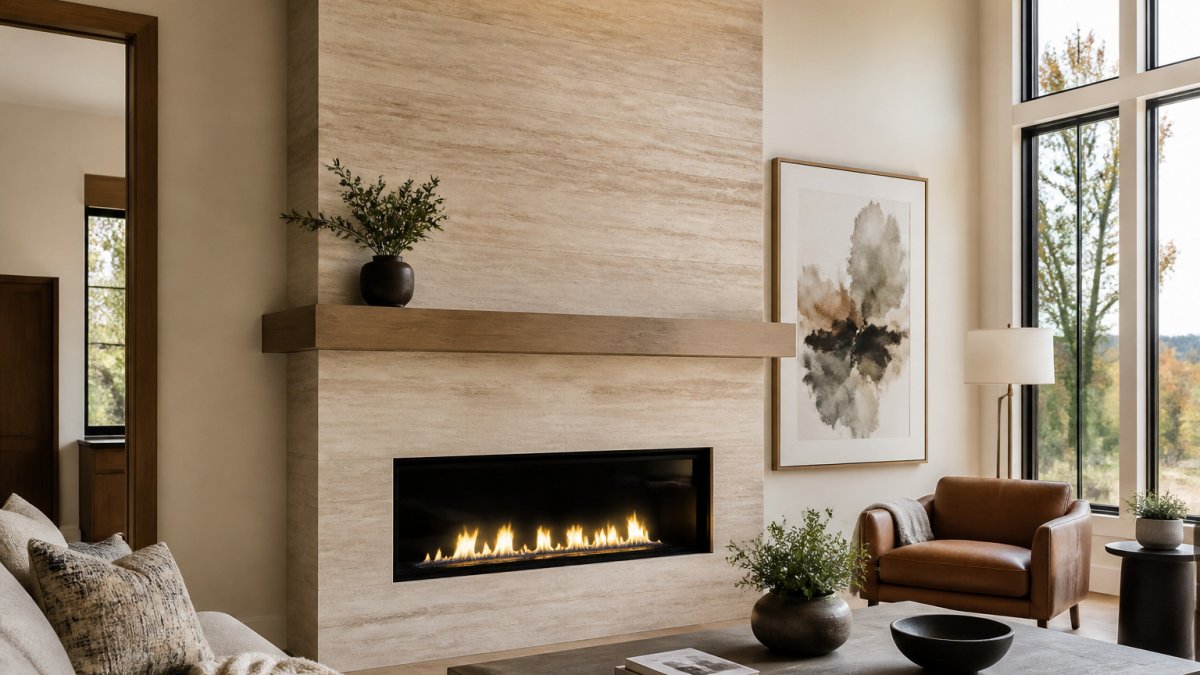
Popular modern directions include:
- Full-height stone or tile surrounds that run to the ceiling and read as a single architectural feature
- Sculptural ceramic or concrete finishes that add texture without heavy ornament
- Floating mantels that keep the hearth visually light
- Warm neutrals and earthy tones that pair well with wood and natural fabrics
Design guides such as Dreamcast Design's 2026 mantel design trends highlight floating mantels and eco-friendly materials as growing choices. Modern fireplace ideas also work well as a visual focal point in open-plan living spaces.
Traditional and Farmhouse Custom Fireplace Surrounds
Traditional and farmhouse fireplaces remain popular for homeowners who want warmth and character. Shiplap, painted wood, and stacked stone surrounds are common choices in this style.
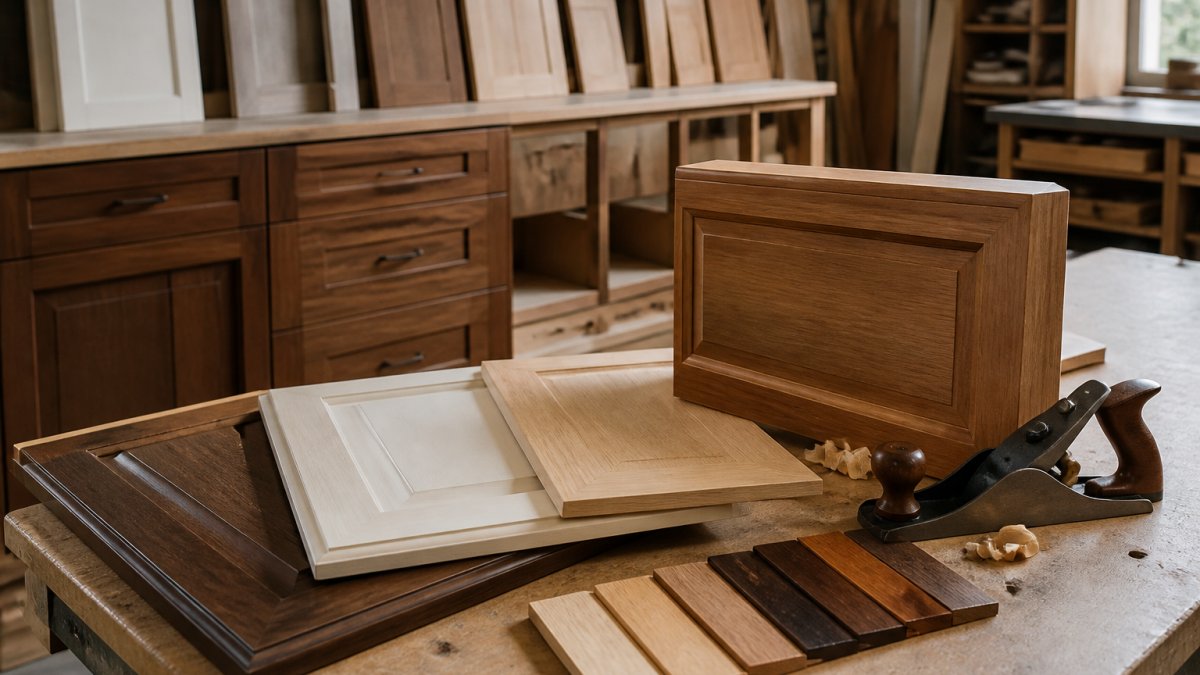
Custom millwork makes the biggest difference here. Hand-built mantels, paneled surrounds, and built-in cabinetry on either side can turn a standard firebox into a deliberate design feature.
[PAGE:2]
Watch out: a mantel that is too shallow or too low can look out of scale with the room, so measure before ordering materials.
Electric Fireplace Design Ideas That Look Built-In
Electric fireplaces have improved a great deal in recent years. Realistic flame effects and slim profiles now let them sit flush in a wall, which makes them a practical choice for smaller homes and rooms without a chimney.
Modern Flames' 2026 interior trend ideas show how rich colors and natural textures can frame an electric unit. Pairing the unit with a media wall or recessed niche helps it look like part of the architecture.
Gas, Ethanol and Water-Vapor Options Compared
Fuel choice drives almost every other decision in a custom fireplace project: the surround depth, the wall framing, the venting path, the permit you pull, and the long-run operating cost. The table below is a starting point, but the notes under it are where most projects are actually won or lost.
| Fuel Type | Venting | Typical Heat Role | Design Constraints |
|---|---|---|---|
| Natural gas / propane | Direct-vent, B-vent, or power-vent depending on unit | Primary or supplemental heat | Requires gas line, clearance to combustibles, and vent termination rules |
| Electric | None | Supplemental or decorative | Needs a dedicated circuit; heat output is limited compared with gas |
| Ethanol | Vent-free (but not ventless in the code sense) | Decorative or light supplemental | Fuel storage, clearance, and room-volume rules apply |
| Water-vapor | None | Decorative | Requires water supply and drainage; no real heat output |
Gas fireplaces. Direct-vent units are the most common choice for remodels because they pull combustion air from outside and exhaust through a short horizontal or vertical pipe, which gives you more placement freedom than a traditional masonry chimney. You will need a gas line run by a licensed plumber or gas fitter, and the unit must be listed for the vent configuration you use. Most jurisdictions require a permit for a new gas line and for the appliance install, and the inspector will check clearances to combustibles, the vent termination distance from windows and doors, and the sediment trap on the gas line.
Ethanol fireplaces. These burn bio-ethanol and need no chimney or gas line, which is why they show up in condos, rentals, and rooms where running a flue is impractical. The trade-off is that they are not truly "ventless" in a safety sense: they consume oxygen and produce water vapor and carbon dioxide, so manufacturers publish minimum room-volume and clearance requirements, and some jurisdictions restrict or prohibit them in certain occupancies. Fuel is sold by the liter or gallon and is a recurring cost; burn time per fill varies widely by burner size.
Water-vapor fireplaces. These use ultrasonic mist and LED lighting to simulate flame, with no combustion at all. They need a water connection and a drain, plus electricity, so they are easiest to plan into a new wall rather than retrofit. Heat output is essentially zero, so treat them as a visual feature, not a heat source. Maintenance includes descaling and keeping the water reservoir clean.
Modern Blaze's fireplace design guide covers electric, gas, ethanol, and water-vapor models side by side, which is a useful starting point for comparing them.
Fireplace Sizing Guide: Matching Scale to Your Room
Size matters as much as style, and the right size depends on three things: the wall, the room, and whether the fireplace is meant to heat the space or just anchor it visually. For guidance on millwork proportions and scale for mountain homes, see the full guide.
Start with the wall. Measure the width and height of the wall you plan to use, then subtract for trim, cabinetry, and any windows or doors. A common pattern is to keep the surround at least 12 inches wider than the firebox on each side so the unit does not look pinched, and to run a full-height surround only where the ceiling is high enough that the proportions stay comfortable. In standard-height rooms, a shorter surround with a substantial mantel often reads better than a floor-to-ceiling slab.
Then match the firebox to the room. As a rough guide, a small bedroom or den suits a firebox in the 30- to 36-inch range, a typical living room in the 36- to 48-inch range, and a great room or open-plan space in the 48- to 60-inch range or larger. These are starting points, not rules; the manufacturer's clearance and heat-output data should drive the final call.
Decide whether it heats or decorates. If the fireplace is a primary or supplemental heat source, look at the unit's rated heat output and the room's volume, insulation, and window area. A gas unit rated for a large open space will cycle on and off in a small, tight room, and an electric unit that looks impressive may contribute little measurable heat. In colder climates, a gas or wood-burning unit with meaningful output earns its place; in milder climates, a decorative electric or water-vapor feature may be the better fit.
Plan the seating around the hearth. Leave enough clearance between the hearth and the nearest seating so people can move safely and feel the heat without being driven back. The manufacturer's clearance-to-combustibles figures and your local code set the minimums; the comfort distance is usually larger.
Fireplace Ideas Without a Fire: Media Walls, Art and Decor
Not every homeowner wants a working fire. Many fireplace ideas focus on the surround as a design feature, using a media wall, framed artwork, candles, or layered decor on the mantel.
Heat & Glo's 2026 fireplace home design trends describe fireplace nooks and statement walls that work even without a functioning unit. A niche with lighting and art can create the same sense of warmth.
This approach also suits homes where a chimney or gas line is not practical.
Planning Your Custom Fireplace Project With Craftsman Remodeling and Solution
A custom fireplace project usually involves design, millwork, electrical or gas work, and finish carpentry. Coordinating those trades is where many projects get complicated.
We recommend starting with a clear design direction, confirming the fuel type and venting requirements, and setting a budget that reflects the materials you choose. If you are weighing builders, this comparison of NWBC and Holderman Construction lays out how their options differ. Pricing depends on materials, scope, and site conditions, so contact Craftsman Remodeling and Solution through the website for a current quote. You can also review the firm's design-and-build approach and past work before reaching out.
For more on planning a renovation from start to finish, see our best practices for home renovation guide.
Frequently Asked Questions
What are the fireplace design trends for 2026?
Current 2026 trends favor warm neutrals, earthy tones, natural stone and tile, and sculptural ceramic or plaster finishes. Floating mantels and eco-friendly materials also appear often in design guides. Trends are a starting point, though. The best choice depends on your room's architecture, your heating needs and how the fireplace will be used day to day. A custom design lets you adapt a trend to your home instead of copying it.
How do I choose the right size fireplace for my room?
Scale matters more than style. A fireplace that is too small looks lost on a large wall, while an oversized unit overwhelms a compact room. Measure the wall, consider ceiling height and check the firebox and surround dimensions before choosing a model. Clearances to combustible materials are set by the manufacturer and local building codes, so confirm them before design decisions are finalized. Pricing depends on size, materials and installation, so request a quote for your specific space.
Are electric fireplaces a good choice for a custom design?
Electric fireplaces are often the most flexible option for custom work. They do not need a chimney or gas line, so they fit in more rooms, and they can be built into media walls or recessed into existing surrounds. Flame effects vary considerably between models, so compare displays in person. Ventilation and electrical requirements still apply, and a licensed electrician should confirm the circuit. Check manufacturer specifications and local code before committing to a layout.
Can a fireplace be a focal point without a working fire?
Yes. A non-functional fireplace can anchor a room through its surround, mantel, hearth and styling. Many homeowners use framed artwork, candles, sculptural ceramics or a media wall to create the visual focal point. A no-fire design also avoids venting, fuel and clearance questions, which can simplify both planning and installation. Costs depend on materials and labor, so request a quote tailored to your design rather than relying on general estimates.