 blog
Eagle Creek Alternative for Custom Renovations
Table of Contents
- Why Homeowners Search for Custom Renovations Alternatives
- Questions to Ask a Remodeling Contractor Before Hiring
- How to Compare Remodeling Estimates Across Contractors
- Contractor Vetting Checklist: What to Verify Before You Sign
- Custom Renovation Project Timeline: What to Expect
- Red Flags That Signal a Risky Contractor Partnership
- Building a Long-Term Renovation Partner Relationship
- Frequently Asked Questions
Last Updated: October 18, 2026
Why Homeowners Search for Custom Renovations Alternatives
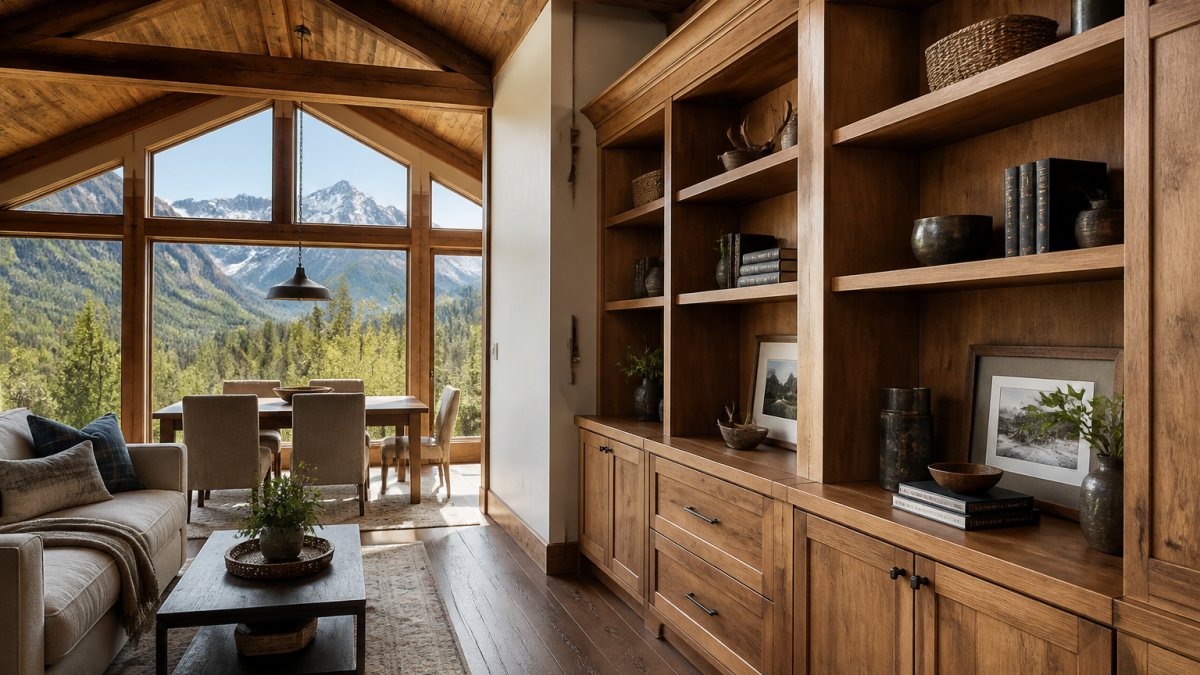
Homeowners in Jackson Hole and surrounding mountain communities often search for an Eagle Creek alternative for custom renovations to find quality craftsmanship, transparent communication, and a contractor who understands mountain living.
Finding the right partner means knowing what makes a contractor reliable and how to evaluate whether they'll deliver.
Your home is likely your largest investment, and your contractor's decisions affect your timeline, budget, and final quality. This guide covers comparing estimates, spotting red flags, and building a lasting partnership.
Questions to Ask a Remodeling Contractor Before Hiring
The difference between a contractor who delivers and one who creates headaches comes down to asking the right questions.
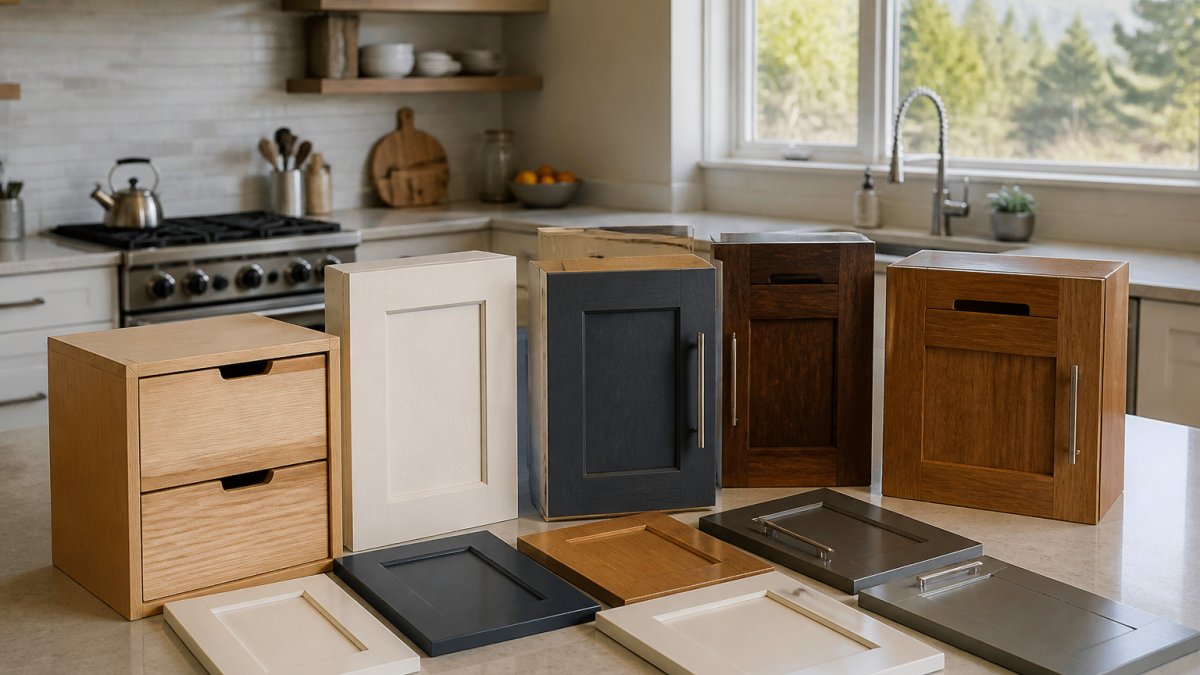
Ask about their experience with projects like yours. If you're planning a custom kitchen with high-end cabinetry and quartz countertops, you need someone who has done that work. Request specific examples from the last three years; a confident contractor will have photos, references, and details ready.
Understand their communication approach: how often they'll update you, what channels they'll use, who your main contact is, and how to reach them urgently. A contractor who goes dark for weeks erodes trust fast.
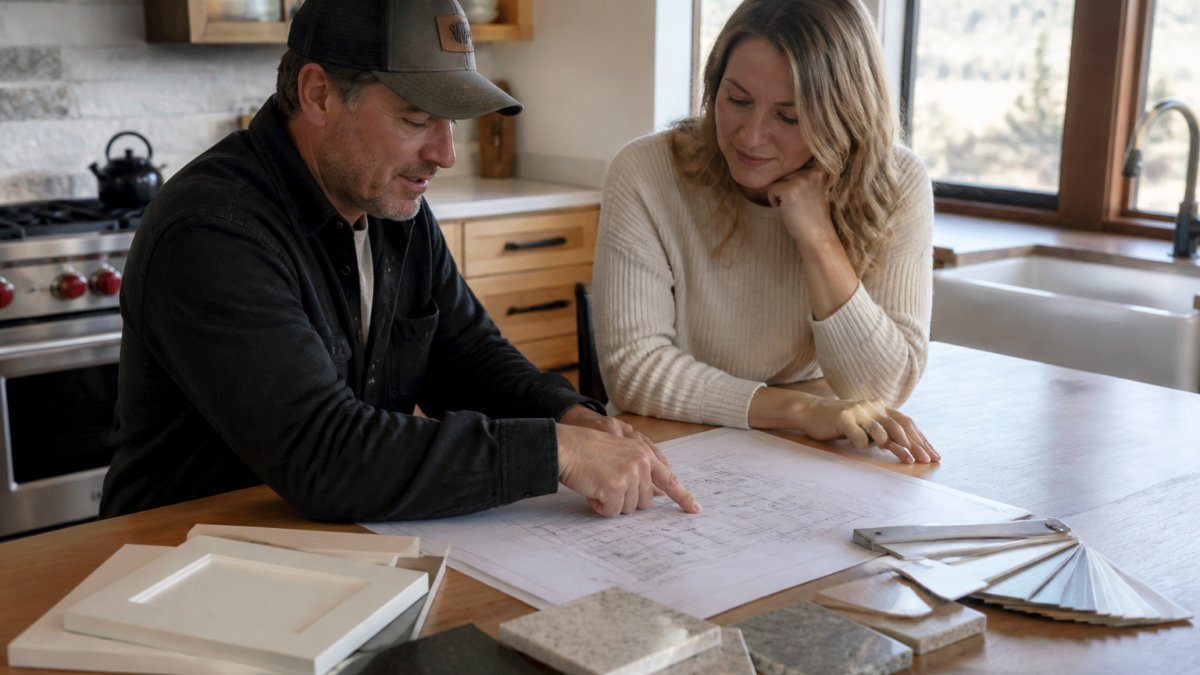
Ask directly about licensing and insurance. A licensed contractor has met state requirements and can be held accountable, and insurance protects you if someone is injured on your property. Hesitation here is a warning sign.
Inquire about warranty coverage: what happens if something fails after completion, and for how long? Understanding this upfront prevents disputes.
Finally, ask how they handle scope changes. Find out how the contractor documents changes and adjusts timeline and budget; clear processes prevent misunderstandings that turn into conflict.
How to Compare Remodeling Estimates Across Contractors
The mistake most homeowners make is comparing estimates like identical products with different prices. Two similar-looking estimates can represent completely different scopes, timelines, and quality levels.
Make sure all estimates are comparable. One contractor might include demolition, disposal, and site cleanup while another doesn't, or specify premium materials versus standard-grade. Line them up side by side and note differences. If one is significantly cheaper, dig into why: sometimes it's efficiency, often it's corner-cutting or omitted work.
Look at the level of detail. A vague "kitchen remodel: $45,000" tells you almost nothing, while a detailed estimate breaks down materials, labor, timelines, and contingencies, protecting both parties.
Pay attention to contingency allowances. Renovations often hit hidden structural issues or hard-to-source materials. A contractor who includes a contingency (typically 10-15% of project cost) is being realistic; one who doesn't either doesn't understand the risks or is lowballing to win the bid.
Compare payment schedules carefully. A contractor asking for 50% down takes minimal risk while you take maximum risk. Standard practice is 25-33% down, with the remainder tied to progress. Never pay in full before the work is complete.
Review each proposed timeline, including start dates and dependencies like custom cabinetry fabrication. A realistic timeline shows the contractor has managed similar projects; an unrealistically short one suggests they'll rush the work.
| Estimate Element | What to Check | Red Flags |
|---|---|---|
| Scope of Work | Is it detailed and specific? | Vague descriptions, missing items |
| Materials | Are specific products listed? | Generic "quality materials" with no specs |
| Labor | Is labor broken down by task? | Single line item for all labor |
| Timeline | Is it realistic for the scope? | Unrealistically short completion date |
| Contingency | Is 10-15% included for unknowns? | Zero contingency or overly high contingency |
| Payment Terms | Is it tied to progress? | Large upfront payment required |
Contractor Vetting Checklist: What to Verify Before You Sign
Before committing to any contractor, verify their credentials, experience, and reliability to protect your home and investment.
Verify licensing with your state's licensing board. Look up the contractor's name and license number, confirm it's active and in good standing, and check for complaints or disciplinary actions. It takes ten minutes and is invaluable.
Confirm insurance coverage. Ask for documentation of general liability and workers' compensation insurance, and verify the policy is current with adequate coverage. If they can't provide this, don't hire them.
Check references thoroughly. Visit a completed project or speak with someone whose kitchen or bathroom remodel finished in the last year. Ask: Did the project stay on budget? Was communication consistent? Did they handle unexpected issues professionally? Would they hire this contractor again?
Research online reviews across Google, Yelp, the Better Business Bureau, and local community groups. One negative review might be an outlier, but repeated complaints about poor communication, cost overruns, or incomplete work suggest a real problem. Note whether the contractor responds professionally or defensively.
Verify their local presence and history. How long have they been in business, and do they have a physical office in the area? Contractors with deep roots in Jackson Hole understand mountain homes, seasonal weather, elevation, and region-specific building codes.
Ask for recent projects with permission to contact clients, then actually call them. Ask whether they'd hire the contractor again, whether the final cost matched the estimate, and whether the timeline held. These conversations reveal far more than marketing material.
Check whether the contractor belongs to professional organizations like the National Association of the Remodeling Industry (NARI). Membership doesn't guarantee quality, but it shows investment in professional standards and continuing education.
Custom Renovation Project Timeline: What to Expect
Understanding a realistic timeline prevents frustration and helps you plan around the disruption. Custom work, including custom cabinetry, specialized tile, and millwork, takes longer than standard renovations because those elements must be designed, fabricated, and installed.
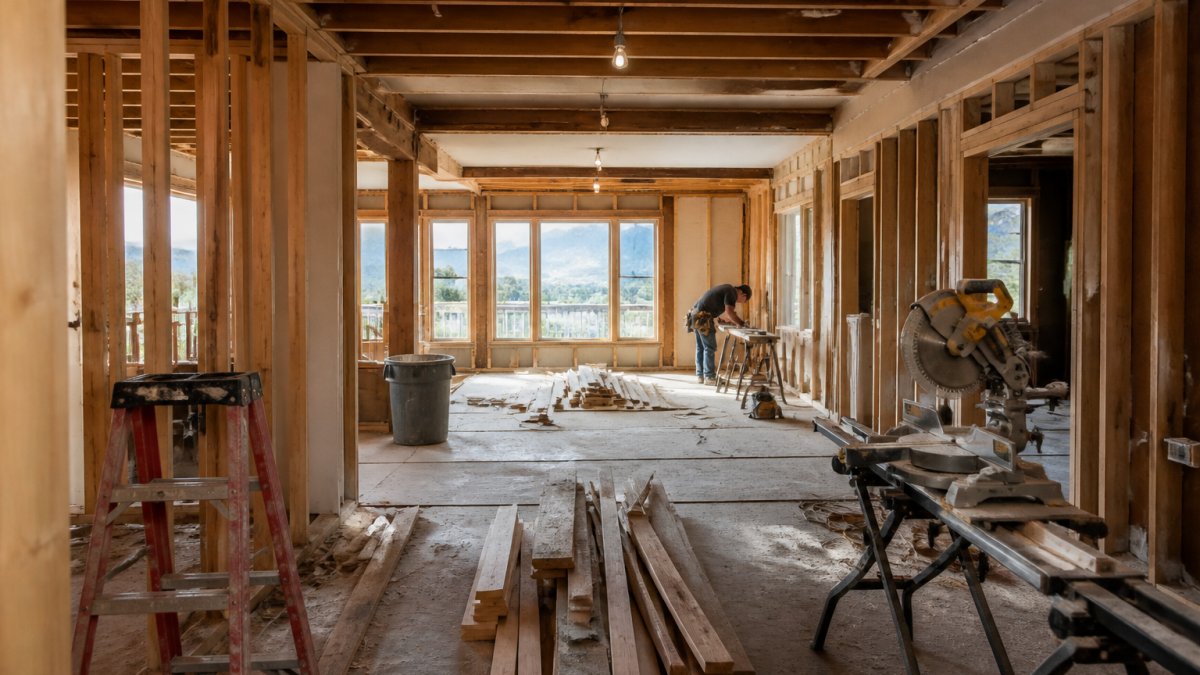
A typical custom kitchen remodel in a mountain home takes eight to twelve weeks from start to finish, covering demolition, structural work if needed, plumbing and electrical updates, cabinet installation, countertop fabrication and installation, tile backsplash, painting, and final hardware and fixture installation. A custom bathroom renovation with custom tile shower work, built-in cabinetry, and heated floors might take six to ten weeks.
The timeline depends on several factors. A simple layout change is faster than a complete reconfiguration. Custom material availability matters significantly: semi-custom cabinetry from a specialty builder can take four to six weeks alone. The condition of your existing home matters too; structural issues, outdated plumbing, or electrical problems discovered during demolition extend the timeline.
Weather impacts mountain home renovations more than many homeowners realize. If your project involves exterior work, new siding, deck construction, or roof work, seasonal constraints matter. Winter weather in Jackson Hole and surrounding areas can delay exterior work. A contractor familiar with mountain projects plans for these realities.
Communication about timeline is critical. Your contractor should provide a detailed schedule showing when each phase begins and ends, when key decisions are needed, and when material deliveries are expected. If the timeline shifts, they should communicate proactively, not surprise you weeks into the project.
Red Flags That Signal a Risky Contractor Partnership
Certain warning signs appear consistently with contractors who create problems. Recognizing these flags early saves you from hiring someone who will damage your home, blow your budget, or disappear mid-project.
If a contractor is evasive about licensing, insurance, or references, that's a red flag. A professional with nothing to hide provides this information readily. If they make excuses, change the subject, or promise to send it "later," move on.
Pressure to commit quickly is a warning sign. A contractor who pushes you to sign before you're ready, discounts heavily if you decide "today," or creates artificial urgency is using sales tactics instead of earning trust.
Extremely low estimates relative to others are red flags.
A contractor who won't put agreements in writing is a major warning sign. Everything, the scope of work, timeline, payment schedule, materials specifications, and warranty, should be documented in a contract. Verbal agreements disappear when disputes arise.
Poor communication during the estimate and proposal phase predicts poor communication during the project. If the contractor takes days to respond, doesn't follow up on questions, or seems disorganized, that's how they'll operate once your home is under construction.
Unwillingness to discuss how they handle surprises and changes is a red flag. Every renovation encounters something unexpected. A contractor who won't discuss this upfront hasn't thought it through or won't commit to a fair process for handling changes.
Building a Long-Term Renovation Partner Relationship
The best outcome isn't just a completed project, it's a contractor you can call back for future work and recommend to friends.
Start by selecting a contractor who demonstrates genuine interest in understanding your vision, not just completing a transaction. During the initial consultation, do they ask how you live in your home?
Maintain clear communication throughout the project.
Respect the contractor's expertise. You hired them because they know how to do this work. If they recommend against something, ask why; their experience might reveal issues you haven't considered.
Document everything in writing. If you agree to a scope change, get a change order specifying the work, timeline impact, and cost.
Pay invoices on time according to the agreed schedule. Contractors tend to prioritize reliable clients who pay promptly; delays in payment create tension and can slow your project.
When the project is complete, provide honest feedback. If the work exceeded your expectations, say so. If something didn't meet the agreed standard, address it clearly so it can be corrected.
Most importantly, a successful renovation partnership is built on mutual respect and clear expectations. When both sides commit to professionalism and communication, the project runs smoother and the outcome is better.
The contractors worth hiring understand that your home, time, and budget matter, and that their reputation depends on delivering quality work with integrity.
Finding the right contractor for your custom renovation project requires more than just picking a name. When you're ready to move forward with a contractor who prioritizes communication, craftsmanship, and long-term partnership, connect with us to discuss how we approach your specific renovation needs. Learn more about finding qualified contractors through the National Association of the Remodeling Industry and connect with us to discuss how we approach your specific renovation needs.
Frequently Asked Questions
What should I compare when choosing a custom renovations contractor?
Compare contractor licensing and insurance verification, portfolio examples of similar projects, written estimates with detailed line-item breakdowns, references from recent clients, communication style and project management approach, warranty terms on workmanship, and how they handle unexpected issues during renovation. Request at least three estimates and ensure each contractor understands your specific vision for custom cabinetry, tilework, or other specialized work before comparing proposals.
How do I verify a contractor's license, insurance, and references?
Contact your state licensing board to confirm the contractor's active license and any disciplinary history. Request proof of general liability and workers' compensation insurance, then verify directly with the insurance provider. Call at least three recent clients and ask about communication, timeliness, budget adherence, and how the contractor handled surprises. Ask for before-and-after photos of completed projects similar in scope to yours.
What's typically included in a custom renovation contract?
A solid contract should include detailed project scope, material specifications, start and completion dates, payment schedule tied to milestones, change-order procedures with cost and timeline impacts, warranty terms, insurance and licensing confirmation, and communication protocols. It should clearly define who handles permits and inspections, how disputes are resolved, and what happens if the contractor becomes unavailable. Never sign a contract with blank sections or vague timelines.
How long does a typical custom renovation project take?
The timeline for a custom renovation project depends on scope, permit approval, material lead times, structural surprises, and project complexity. A reliable contractor provides a detailed schedule broken into phases and explains which delays are within their control versus external factors like supplier delays or permit processing.